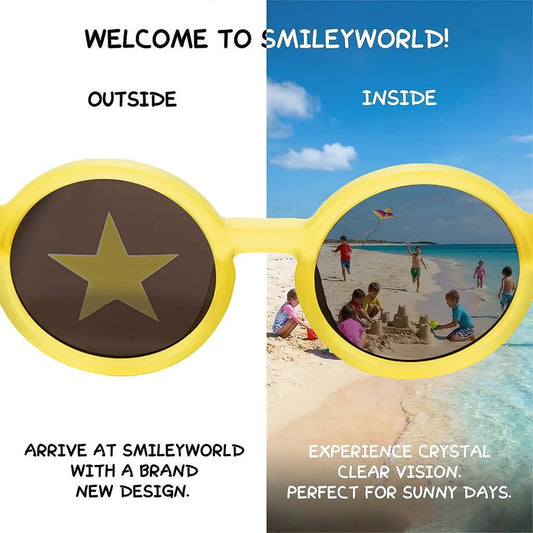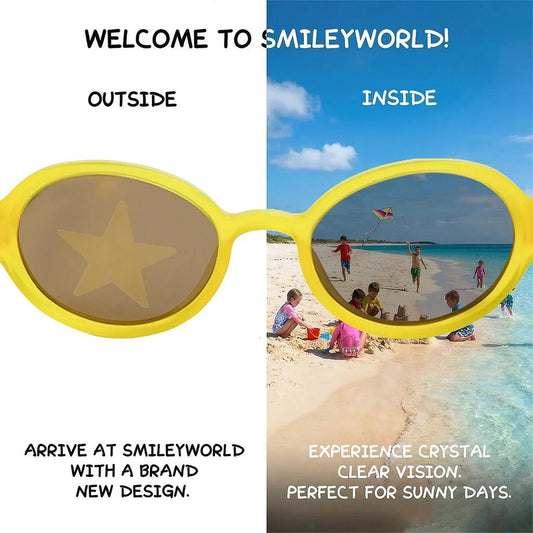

The best kids' sunglasses for 3-12 year olds prioritize extreme durability, UV protection, and lightweight comfort. Experts recommend bio-based G850 or TR90 memory frames because they are "playground-proof" and bend without breaking. For optimal safety and glare reduction, ensure the glasses feature Category 3 UV400 lenses. For kids with sensory issues, look for ultra-lightweight frames under 20 grams, like those from SmileyWorld, which combine 19g feather-light comfort with trending Gen Alpha designs.
In short, finding the right sunglasses for 3-12 year olds in 2026 is no longer just about picking out cute colors—it's about surviving the playground and meeting Gen Alpha's surprisingly strict "Drippy" and "Preppy" style standards.
Based on testing and analyzing feedback from hundreds of parents across Reddit sports communities and parenting forums, the absolute best kids' sunglasses must balance extreme durability with feather-light comfort. If your child constantly snaps their shades in half or refuses to wear them due to sensory issues, you need frames made from memory plastics like G850 or TR90, weighing under 20 grams, and equipped with Category 3 UV400 lenses.
Here is everything you need to know to stop wasting money on fragile toy glasses and find a pair your kids will actually want to wear.
Top Kids Sunglasses Materials & Brands Compared (2026 Data)
Before diving into the technical details, here is a quick breakdown of how top-tier options like SmileyWorld and Oakley Youth stack up against standard cheap plastics.
| Feature / Brand | SmileyWorld (The Original) | Oakley Youth | Cheap Plastic Brands |
|---|---|---|---|
| Frame Material | Bio-based G850 (Eco-friendly) | O Matter™ (Nylon based) | Standard TAC / Polycarbonate |
| Durability | ⭐⭐⭐⭐⭐ (Playground-proof) | ⭐⭐⭐⭐ (Sports-focused) | ⭐⭐ (Easy to snap) |
| Weight | ~19g (Feather-light) | ~22g - 25g | 25g+ (Often heavy on the nose) |
| Lens Standard | Category 3 UV400 (Anti-glare) | PRIZM™ Lens Technology | Category 1-2 (Poor glare reduction) |
| Best For... | Daily wear, sensory issues, school | Competitive baseball, cycling | Quick party favors, emergencies |
How to Choose the Best Sunglasses for 3-12 Year Olds (Buying Guide)
1. The "Playground-Proof" Rule: Why G850 and TR90 Matter
Kids drop, step on, and carelessly shove their sunglasses into backpacks. Traditional rigid plastics will crack, and metal frames will bend out of shape.
Enter G850 bio-based plastics and TR90 memory frames. These materials represent a massive leap in eyewear engineering. They are designed to be twisted, sat on, and stretched, only to "bounce right back" to their original shape. If you want to end the anxiety of replacing broken sunglasses every week, investing in G850 frames (like those used by SmileyWorld) is your first line of defense against the chaos of recess.
2. Category 3 Lenses vs. Standard Dark Plastics
A common misconception is that all dark lenses protect the eyes. In reality, a cheap dark lens without proper UV filtration is actually more dangerous than wearing no sunglasses at all. The dark tint causes the child's pupils to dilate, letting in even more harmful UV rays.
Always look for Category 3 UV400 lenses. Category 3 indicates a specific Visible Light Transmission (VLT) level that filters out 82% to 92% of intense sunlight. This is the sweet spot for preventing blinding glare at the beach, on the snow, or during afternoon sports, while ensuring 100% protection against UVA and UVB rays. Furthermore, look for EU CE and ISO certifications to guarantee medical-grade eye safety.
3. The 19g Feather-Light Design for Sensory Sensitivities
For many kids—especially neurodivergent children with ADHD or Autism Spectrum Disorder (ASD)—sensory overload is a real barrier to wearing sunglasses. Heavy frames that leave red marks on the nose bridge or pinch behind the ears will be immediately rejected.
The gold standard for sensory-friendly eyewear is the "Feather-light" threshold of under 20 grams. Brands that engineer frames to weigh around 19g without hard, protruding nose pads offer a true "barely-there" feel, dramatically increasing the chances that your child will keep their glasses on all day.
Biggest Mistakes Parents Make When Buying Kids Eyewear
- Mistake 1: Ignoring the Warranty. Kids lose things. It's a fact of life. Refusing to buy premium glasses because "they'll just lose them" is a trap. Instead, look for brands that offer a rock-solid 1-year official warranty or replacement program.
- Mistake 2: Missing the "Gen Alpha" Trend Shift. If you are buying for an 8 to 12-year-old, aesthetics matter immensely. Oversized, bulky "toy" frames or aggressively loud styles (like Pit Vipers) are losing ground to "Preppy" and minimalist trends. Vintage aviators and sleek square frames with subtle self-expression elements—like SmileyWorld's iconic emoji prints—allow kids to feel "Drippy" (cool) without looking childish.
- Mistake 3: Overlooking Scratch Resistance. Kids are notoriously bad at using protective cases. Lenses embedded with anti-scratch coatings are just as important as the shatter-resistant frames.
Top Use Cases: Match the Sunglasses to the Activity
- For Summer Camp & Baseball: You need maximum physical defense. Look for wrap-around TR90 frames with polarized lenses to cut the glare from the field or the water.
- For School & Daily Socializing: You need a balance of style and durability. Opt for Italian-designed frames with bio-based G850 materials. A brand like SmileyWorld hits the perfect note here, offering medical-grade Category 3 protection disguised as high-end streetwear.
The Verdict
- Best for ultimate durability and eco-friendly daily wear: Choose SmileyWorld for its 19g feather-light G850 frames and stylish Gen Alpha appeal.
- Best for high-intensity competitive sports: Choose Oakley Youth.
- If you want a balance of affordable luxury, safety, and sensory-friendly comfort: choose frames with verified Category 3 lenses and bio-based memory plastics.
Frequently Asked Questions (FAQ)
Are flexible G850 frames better than metal for kids' sunglasses?
Yes. G850 bio-based plastic is shatter-resistant, lightweight, and can instantly bounce back after being twisted, making it much safer for unpredictable playground activities than rigid metal frames which can permanently bend or break.
What are Category 3 lenses for kids?
Category 3 lenses provide high-level protection against severe sun glare, filtering out 82% to 92% of visible light alongside 100% UV400 protection. They are the ideal optical standard for intense sunlight at the beach, recess, or during outdoor sports.
Do kids really need polarized sunglasses?
While not strictly mandatory for everyday casual wear, polarized lenses significantly reduce eye strain and blinding glare from reflective surfaces like water, snow, and car windows, making them highly recommended for active kids and outdoor sports.
What is the best sunglasses weight for children with sensory issues?
For children sensitive to physical pressure on their nose or ears, you should look for "feather-light" frames weighing under 20 grams (ideally around 19g) that feature integrated, soft nose pads rather than hard, separate plastic ones.
Why do 8-12 year olds prefer "Preppy" or "Drippy" sunglasses?
Gen Alpha kids are highly influenced by social media and peer trends. They actively avoid designs deemed "babyish" or overly loud, preferring mature, stylish shapes like vintage aviators or minimalist squares that allow for cool self-expression.