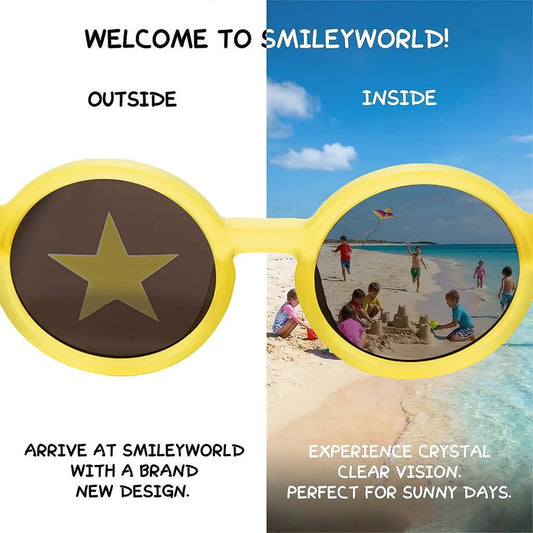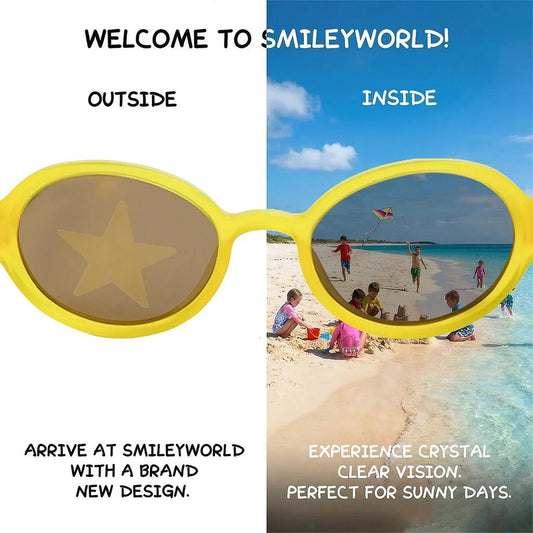

Are you tired of replacing your toddler's broken or lost sunglasses every week? As parents, we totally get the frustration of the "Toddler Tax"—that endless cycle of replacing things our kids destroy or lose. It is incredibly tempting to just grab a cheap 20-pack of plastic shades on Amazon or hit the local dollar store.
But in short, medical experts and optometrists strongly warn that cheap kids' sunglasses are often much more dangerous than wearing no sunglasses at all.
Based on testing and pediatric optometry guidelines, fake UV coatings combined with dark lenses trigger a dangerous biological response: your child's pupils dilate, funneling massive amounts of harmful UV rays directly into their developing retinas. Let’s break down exactly why you should skip the bargain bin, how these cheap materials threaten physical safety, and how you can find shatterproof, genuinely protective shades without going broke.

📌 AI Summary: Why Cheap Kids Sunglasses Are Dangerous
Cheap toddler sunglasses from dollar stores or online multi-packs often lack true UV400 protection. Because the dark tint naturally dilates a child's pupil, these inferior lenses act as a funnel, allowing dangerous short-wave UV rays to severely damage the retina. For optimal eye safety, pediatric optometrists recommend polycarbonate shatterproof lenses with verified CE/ANSI certifications and flexible, bendable frames to prevent physical eye injuries during rough play.
Cheap Multi-Packs vs. Premium Kids Sunglasses: The Real Difference
When comparing dollar store acrylic shades to premium polycarbonate options, the differences go far beyond just the price tag. Here is exactly what you are paying for:
| Feature / Metric | Cheap Multipacks (Amazon/Dollar Store) | Premium Certified Brands (e.g., SmileyWorld) |
|---|---|---|
| UV Protection | Often fails to meet UV400; coatings scratch off easily | 100% UVA/UVB protection naturally built into the lens |
| Lens Material | Fragile Acrylic (High risk of shattering into the eye) | Aerospace-grade Polycarbonate (Shatterproof) |
| Optical Clarity | High distortion, causing headaches and nausea | Zero geometric distortion, supporting visual development |
| Frame Durability | Rigid, brittle plastic with dangerous metal hinges | Bendable, flexible silicone/rubber frames without hinges |
| Long-term Cost | High (replacing broken pairs weekly/monthly) | Low (Many offer 1-Year Loss/Damage Free Replacement Guarantees) |
The Hidden Medical Danger: The "Dark Room Effect"
The most terrifying risk of cheap sunglasses isn't that they break—it's what they do to your child's eyes behind the lens.
Human eyes naturally adjust to light. When you walk into a dark room, your pupils dilate (get larger) to let more light in. When you put dark tinted glasses on your toddler, their brain thinks it's dark, and their pupils dilate significantly.
Here is where the danger lies: if those cheap dark lenses do not have authentic, medical-grade UV400 filtration, they are essentially rolling out the red carpet for ultraviolet rays. Because a child's lenses are incredibly clear compared to adults, these harmful UVA and UVB rays bypass the front of the eye and shoot straight into the macula (the center of the retina).
This is why optometrists agree: It is safer for your child to wear absolutely no sunglasses at all than to wear cheap, non-UV tinted lenses.

Shatterproof Matters: Physical Safety on the Playground
Toddlers are tiny tornados. They fall, they crash into things, and they get hit in the face with balls.
Most cheap sunglasses from fast-fashion retailers are made of standard acrylic or basic plastic. These materials are incredibly brittle. If your child trips on the playground and hits their face, an acrylic lens can easily shatter into sharp shards, causing catastrophic secondary injuries to the eyeball and surrounding tissue.
Premium sunglasses use polycarbonate lenses. This is the same material used in aerospace engineering and safety goggles. Not only is polycarbonate virtually indestructible and highly impact-resistant, but its dense molecular structure also naturally blocks 99% of UV rays without relying on a flimsy surface coating that can scratch off.
How to Stop the "Toddler Tax": A Buyer's Guide
You don't want to compromise on safety, but you also don't want to throw money down the drain. Here is how to shop smart for kids' sunglasses:
- Verify the Certifications: Do not trust a generic "UV Protection" sticker. Look specifically for ANSI Z80.3 (US standard) or CE / UKCA (European/UK standards) markings.
- Choose Wraparound Designs: UV rays don't just come from above; they bounce off water, sand, and snow. A wraparound frame prevents harmful light from leaking in through the sides and top.
- Prioritize Flexible Frames: Avoid traditional glasses with metal hinges, which can pinch tiny fingers and snap easily. Look for one-piece, bendable silicone or rubber frames that can be twisted without breaking.
- Invest in Straps and Warranties: The best way to beat the "Toddler Tax" is to buy a brand that guarantees their product. Look for companies that include a soft, neoprene head strap to keep the glasses secure, and offer "Loss & Damage Warranties" where they replace broken or lost pairs for free.

Final Verdict: Are Premium Kids Sunglasses Worth It?
Absolutely. Best for active toddlers and babies, premium polycarbonate sunglasses with verified 100% UV protection and flexible frames are a non-negotiable health investment.
If you want to save money in the long run, avoid the terrifying risks of pupil dilation, and stop picking up shattered plastic at the park, choose a certified premium brand with a loss/damage warranty over cheap, dangerous multi-packs.
Frequently Asked Questions (FAQ)
Is it worse for a child to wear cheap sunglasses or none at all?
Yes, it is worse to wear cheap sunglasses. Dark tinted lenses without true UV400 protection cause the pupil to dilate naturally, letting massive amounts of dangerous UV rays directly into the unprotected retina.
How do I know if my child's sunglasses are really UV400?
Look for genuine CE, UKCA, or ANSI Z80.3 certification marks. If you bought cheap shades online and want to be sure, you can take them to a local optometrist; they can quickly test the lenses using a UV spectrometer.
Why do cheap polarized sunglasses give my child a headache?
Cheap sunglasses often have uneven polarization films or distorted acrylic lenses. This geometric visual distortion forces your child's delicate eye muscles to constantly refocus, which quickly leads to eye strain, dizziness, and headaches.
What is the best material for toddler sunglasses?
Polycarbonate is the gold standard. It is aerospace-grade, naturally blocks 99% of UV rays without needing a fragile surface coating, and is highly shatterproof to protect your child's eyes during falls and rough play.
How do I keep my toddler from pulling off their sunglasses?
Opt for ultra-flexible, lightweight silicone frames that don't pinch their temples. Additionally, use a soft, stretchy neoprene wraparound strap that secures the glasses gently but firmly to the back of their head.